Glitch Gods: Why Gen Z Is Raiding Thrift Stores for Dusty Synths Instead of Streaming Plugins
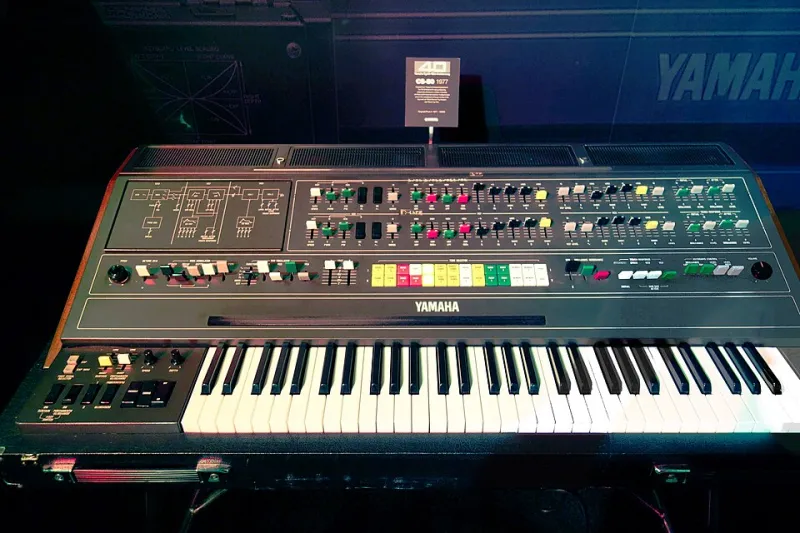
Photo: Pete Brown from Gambrills, MD, USA, CC BY 2.0, via Wikimedia Commons
There's a Casio MT-68 sitting on a shelf in a Portland apartment, held together with electrical tape and a very specific kind of hope. Its owner, a 22-year-old who goes by the handle Velvetcrash online, found it at a Goodwill in 2022 for four dollars. Today, tracks built around that same battered keyboard have racked up millions of plays across TikTok and SoundCloud. The secret ingredient? The thing barely works.
"It skips notes randomly," Velvetcrash explains over Discord. "The pitch bends when the battery gets low. I stopped trying to fix it. The broken parts are the whole sound now."
This is the underground synth revival in its purest form — not a nostalgia trip engineered by a record label, but a genuine, decentralized obsession with hardware that the mainstream long ago discarded.
Hunting Season: Thrift Stores, eBay, and the Algorithm of Luck
The chase itself is half the culture. Bedroom producers across the US spend weekends combing through Goodwill bins, Facebook Marketplace listings, and the murkier corners of eBay, looking for Roland drum machines, Korg Poly-800s, Yamaha DX7s, and any number of devices that corporate America decided were obsolete sometime around 1994. Prices have crept up as word spread — a Roland TR-808 that might've sold for $50 at a flea market a decade ago now commands thousands — but the thrill of finding something weird and cheap hasn't dimmed.
Communities on Reddit (r/synthesizers has over 200,000 members) and dedicated Discord servers function like hunting lodges. People share scores, post repair tutorials, and debate the relative merits of analog warmth versus early digital grit. There's a whole taxonomy emerging: circuit bending (deliberately rewiring instruments to produce unintended sounds), no-input mixing (running a mixer's output back into its own input until it screams), and found-sound sampling from malfunctioning gear.
For many in this scene, digital perfection is the enemy. When every producer on the planet has access to the same flawless software instruments, the only way to sound different is to introduce controlled chaos — and nothing introduces chaos quite like a 40-year-old oscillator that hasn't been serviced since Reagan was in office.
The Lo-Fi Aesthetic Grew Up — And Got Weirder
Most people are at least passingly familiar with lo-fi hip-hop: the chill, nostalgic YouTube streams of animated study companions, vinyl crackle, and softened boom-bap. That aesthetic opened a door, but the vintage synth crowd kicked it off its hinges.
Where lo-fi leaned into comfort, this new wave leans into discomfort — glitch art textures, pitch-shifted samples that sit wrong in the ear, drum patterns that feel like they're stuttering through a corrupted file. Producers like Machine Girl, SOPHIE (whose influence continues to ripple posthumously), and experimental netlabel artists have demonstrated that an abrasive, unpredictable sound can carry enormous emotional weight. Gen Z absorbed that lesson and ran with it straight to the nearest Salvation Army.
The visual language has followed suit. Music videos and cover art in this scene borrow from VHS distortion, early Windows screensavers, and the particular visual noise of a badly-dubbed cassette. It's sometimes called aesthetics of failure — the idea that glitches, artifacts, and imperfections carry an authenticity that polished production can't fake.
"There's a whole generation that grew up with access to literally perfect-sounding music," says Dara Morin, a music journalist who covers experimental electronic scenes for several indie publications. "And it turns out perfect is kind of boring. The imperfection signals realness. It signals that a human being actually touched this thing."
Bedroom Producers, Cult Followings, and the Anti-Algorithm
What's striking about this revival is how little it relies on traditional music industry infrastructure. Artists like Lorn, Iglooghost, and a constellation of smaller creators have built cult audiences through Bandcamp pages, Patreon communities, and Twitch streams where they literally show viewers their gear setups and repair sessions in real time. The process is the content.
That transparency creates a different kind of fan relationship. When your audience watches you coax a melody out of a keyboard that keeps randomly transposing itself, they're invested in a way that a polished Spotify release can't manufacture. The gear becomes a character in its own right.
Velvetcrash has started doing live "broken instrument" sessions on Twitch — two hours of improvisation using only malfunctioning hardware, no edits, no corrections. "People show up specifically to hear what goes wrong," they say. "Last week the Casio completely locked up mid-set and just started playing one note over and over. Chat went insane. It was the best part of the whole stream."
Where This Goes From Here
Vintage synth prices are climbing, which creates real tension in a scene that values accessibility. A Juno-106 that cost $200 in 2015 might run you $1,500 today. Some worry the culture is being priced out of its own roots as collectors and flippers move in.
But the DIY ethos has an answer: circuit bending workshops, open-source hardware projects like the Teenage Engineering Pocket Operators, and the thriving world of Eurorack modular synthesis (where you can build your own modules from kits for relatively modest sums) are keeping the barrier to entry manageable. The spirit, at least, remains democratic.
At Nirgilis, we've always been drawn to the stuff that hums at a frequency most people can't quite identify — the sounds that feel like they're coming from somewhere slightly outside the normal range of experience. The underground synth revival is exactly that: a community tuning into a strange signal, and finding out that the static is the music.