Servers as Stages: The Creators Who Traded Followers for Members
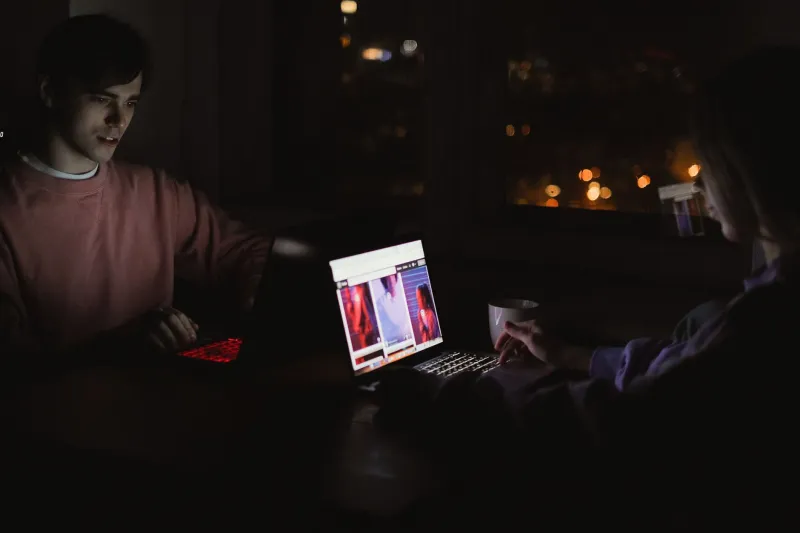
There's a venue you've probably never heard of. No address, no capacity limit posted on the door, no Yelp reviews. The stage is a text channel. The green room is a voice chat. The merch table is a pinned bot command that unlocks a folder of unreleased tracks when you pay your monthly dues. And the crowd? Fifty people who actually want to be there.
This is what Discord looks like when it stops being about gaming coordination and starts being about something weirder — and, for a certain kind of creator, something way more functional than anything the public internet is currently offering.
From Ping to Patronage
Discord launched in 2015 as a tool for gamers who were tired of laggy voice chat options. For years, that was mostly the story. But somewhere around 2020 — during the same stretch when every musician lost their touring income and every visual artist watched Instagram quietly bury their posts — the platform started pulling in a different crowd.
Experimental producers, illustrators, writers doing weird hybrid stuff, lo-fi composers who'd never fit neatly onto a Spotify playlist: they started noticing that Discord's server structure gave them something public platforms fundamentally couldn't. Control. Not the illusion of it — actual, architectural control over who's in the room, what they see, and what it costs to stay.
"I had like 40,000 followers on Twitter and was making almost nothing from music," says one ambient producer based out of Portland who asked to go by their handle, Svelte Fog. "I started a server, charged eight bucks a month for access to a private channel where I dropped stems and process notes, and within three months I was making more from 200 members than I ever did from 40,000 followers."
That math is the whole argument, really.
The Economics of the Small Room
Public platforms are built around scale. The logic is simple and seductive: more eyeballs, more opportunities, more money eventually. Except that "eventually" keeps getting pushed back, the algorithm keeps changing the rules, and the cut taken by whatever monetization layer exists keeps looking less generous the more you read the fine print.
Private Discord servers flip the model. Instead of broadcasting to the void and hoping the void converts, creators set a cover charge at the door. Roles get tiered. A free tier might get you access to general chat and the occasional public drop. A mid-tier gets you early access to releases, a monthly listening party in a voice channel, maybe a behind-the-scenes look at the creative process. Top tier? Direct line to the creator, custom commissions, physical mail, whatever makes sense for the work.
Platforms like Patreon have run a version of this logic for years, but Discord adds something Patreon never quite cracked: community. You're not just paying for access to content — you're paying to be in a room with other people who care about the same niche thing you care about. That social layer changes the retention math entirely.
Creators who've made the shift talk about churn rates that would embarrass a SaaS startup. Members stick around not just because the content is good, but because leaving means losing the community too.
Experimental Media Finds Its Frequency
It's not just musicians. Visual artists are using private servers to run what amount to ongoing studio visits — sharing work-in-progress images, hosting critique sessions with members, dropping limited print runs exclusively to server subscribers before anything goes public. Multimedia creators who blend video, sound design, and interactive elements are building what they describe as "living archives" inside servers, where the work accumulates and evolves in conversation with the people watching it happen.
For experimental creators specifically — the ones whose work doesn't translate cleanly to an Instagram grid or a TikTok hook — the private server model offers something almost philosophical: a space where the audience is pre-selected for curiosity rather than algorithmically sorted for engagement. Nobody stumbles into a paid Discord server by accident. The people there chose to be there, which fundamentally changes the creative dynamic.
"I make music that takes a while to open up," says one electronic composer from Chicago who runs a server with around 300 paid members. "On Spotify, I've got maybe 90 seconds before someone skips. In my server, people are listening to 40-minute pieces and then spending an hour in the chat talking about what they heard. That's a different relationship with the work."
The Tension in the Model
None of this is without friction. Discord itself isn't purpose-built for monetization — most creators are routing payments through Patreon, Ko-fi, or custom bots that verify membership and assign roles automatically. The setup requires technical patience that not every artist has. And the platform's terms of service have historically been vague enough to create low-level anxiety among creators who've built significant infrastructure there.
There's also the discovery problem. Public platforms, for all their algorithmic frustration, do occasionally surface new creators to new audiences. A private server is, by design, hard to find if you don't already know it exists. Most successful server operators maintain some kind of public presence — a newsletter, a small social media footprint, a presence in adjacent communities — just to keep the pipeline of potential new members alive. The private server replaces the public platform as the core relationship; it doesn't eliminate the need for visibility entirely.
And then there's the labor question. Running a community is work. Moderation, scheduling events, keeping the vibe functional as the membership grows — it's a creative and emotional load that sits on top of the actual making. Some creators hire moderators. Others cap membership deliberately to keep the overhead manageable. A few have burned out and shut the whole thing down.
What It Actually Feels Like
The closest analog in American cultural memory might be the basement venue — that specific, slightly illegal, deeply communal space where underground music happened before it happened anywhere else. The basement show was never scalable. It was never supposed to be. Its value was precisely in its smallness, its self-selection, its sense that everyone present had made some kind of effort to get there.
The private Discord server is running the same operating system on different hardware. The cover charge is a subscription. The basement is a server list. The mailing list passed around at the door is a role assignment bot.
What's strange and interesting about this moment is that "small on purpose" is starting to look less like a consolation prize and more like a deliberate strategy. In a media landscape where scale has been the only metric that mattered for the better part of a decade, a growing number of creators are finding out that 200 people who are genuinely locked in is worth more — financially, creatively, emotionally — than 200,000 who mostly aren't.
The frequency is weird. The signal is strong. And you're probably not going to find it unless someone who's already inside decides to tell you where to look.

