Rewind to Resist: The Underground Artists Choosing Tape Over the Algorithm's Infinite Scroll
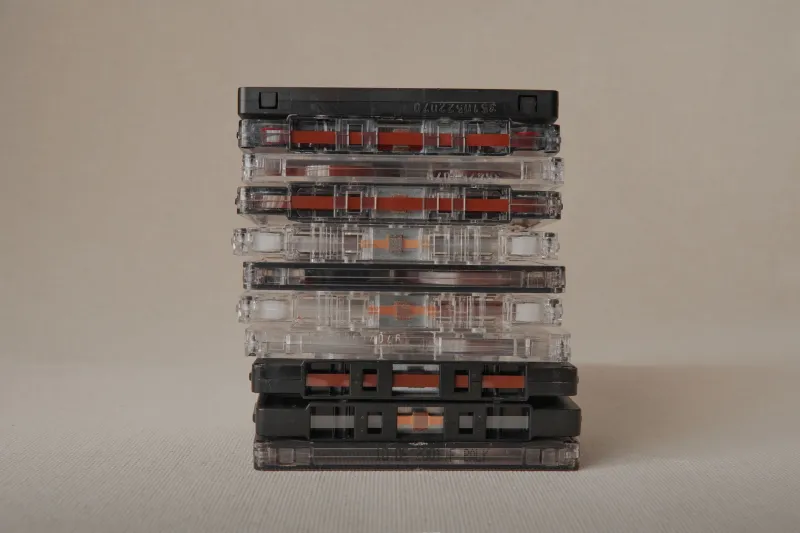
There's a cassette tape sitting on a shelf in a Brooklyn apartment that has been played so many times the oxide is literally wearing thin on the chorus of track two. The owner, a 26-year-old ambient producer who goes by Mireaux, bought it from a Bandcamp page that sells in runs of fifty, hand-dubbed on a battered Tascam porta-studio. He knows the tape will eventually die. That's kind of the point.
"Streaming made everything equally available and equally forgettable," Mireaux says. "When something can degrade, when it can break, when it has a physical limit — you actually listen to it."
This isn't your older sibling's cassette nostalgia. The people driving a quiet but persistent tape resurgence in underground music scenes across the US aren't pining for the '80s. They're making a calculated argument about value, attention, and what it means to release music in an era where a song can be algorithmically buried within 72 hours of dropping.
The Format as Philosophy
Cassette sales have been ticking upward for years — the Recording Industry Association of America reported over 400,000 tape units sold in 2022, a number that sounds modest until you remember that the format was supposed to be dead. But the more interesting story isn't in the sales figures. It's in the why behind the format choice.
For a certain strain of underground musician — lo-fi bedroom producers, harsh noise artists, experimental folk acts, DIY punk labels — the cassette isn't just a delivery mechanism. It's a constraint that shapes the entire creative process. Four-track recording forces decisions. You can't infinitely layer. You can't endlessly revise in a clean digital environment. The tape hiss becomes part of the texture. The speed inconsistencies, the slight wow and flutter, the way a recording breathes differently on playback — these aren't bugs to be engineered out. They're the sound.
Sam Hillard runs Slow Burn Tapes, a small label out of Albuquerque that releases maybe eight to ten tapes a year. He's watched the philosophy evolve from what he calls "vintage fetishism" into something more intentional.
"Early on, a lot of people were doing it because it looked cool on Instagram," he admits. "Now I'm seeing artists who are genuinely structuring their entire recording process around tape because they want to capture decisions, not polish. There's a real difference."
The Gatekeeping Question
Here's where it gets complicated. Because alongside the genuine creative philosophy, there's a strain of tape culture that curdles into something less appealing — a kind of format snobbery that uses physical media as a litmus test for authenticity.
Scroll through enough underground music forums and Discord servers and you'll find the arguments: digital releases are disposable, streaming listeners aren't real listeners, if you're not putting it on tape you don't believe in your own work. It's the kind of rhetoric that can make a $12 cassette feel less like a creative choice and more like a velvet rope.
Mireaux himself pushes back on this framing. "I get annoyed when tape becomes a personality," he says. "Some people are using it as a status signal in their scene. That's not resistance, that's just a different kind of performance."
The tension is real and worth sitting with. Gatekeeping has always been part of underground culture — it's partly how scenes maintain identity and signal membership. But when the gate is a format that requires specific hardware to access, questions of accessibility aren't trivial. Not everyone can afford a functioning tape deck, and in 2024, finding one that works reliably is its own small quest.
Dubbing as Community
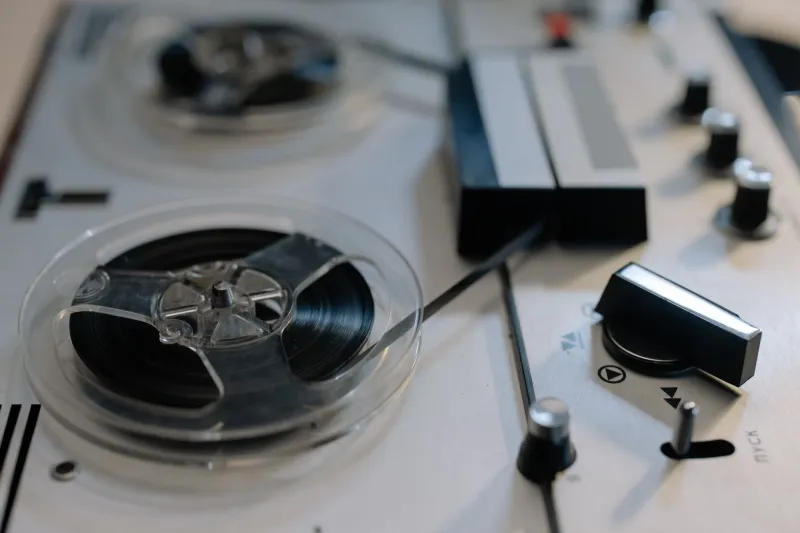
Still, something genuinely interesting is happening on the production side that cuts against the elitism narrative. A growing number of tape labels and artists are running their own dubbing operations — hand-copying tapes in real time using consumer decks, sometimes in community spaces, sometimes with help from friends and fans.
This is slow, labor-intensive, and not particularly profitable. But it creates a different relationship between the music and the people making it. In Chicago, a collective called Ferric Collective (named after ferric oxide, the magnetic material in cassette tape) hosts monthly dubbing sessions where artists come in and copy runs of their own releases. It's part recording session, part social event.
"You're literally sitting there listening to the music play in real time while it copies," says one of the collective's organizers. "There's something about that process that makes you think about what you made differently. You're not just uploading a file."
This is the version of tape culture that feels most alive — less about rejecting digital tools wholesale and more about inserting deliberate slowness and materiality into a process that has otherwise become frictionless to the point of meaninglessness.
What the Tape Actually Sounds Like
Let's not skip past the sonic argument, because it's not nothing. There's a genuine acoustic reason why certain genres — lo-fi hip-hop, ambient drone, bedroom pop, cassette punk — work differently on tape. The format has a natural compression. High frequencies roll off slightly. The noise floor adds a warmth that, depending on your taste and the music in question, can feel like an embrace rather than a limitation.
Producers who record to tape before mixing digitally talk about the way the medium "makes decisions" for them. A too-bright synth patch gets softened. A drum machine with clicky transients sits differently in a mix. The tape isn't neutral, and for some artists, that coloration is the whole game.
This is distinct from running a plugin that emulates tape saturation — and the tape community will tell you that distinction matters, loudly, at length. Whether they're right is partly a philosophical argument and partly just a matter of ears.
The Long Frequency
What the cassette resurgence is really about, underneath all the format debates and scene politics, is a question about how we relate to recorded music when streaming has made access near-infinite and near-free. The tape, with its physical limits and its tendency toward degradation, forces a different kind of attention. You have to seek it out, maintain it, decide to play it.
For Mireaux, that's not nostalgia. It's a frequency that streaming doesn't broadcast.
"I'm not anti-digital," he says. "I have Spotify. I use it. But there's music I want to exist differently in the world — music that isn't just content. The tape is how I do that."
The deck is loaded. The play button is pressed. Somewhere in the hiss before the music starts, there's a small, deliberate act of refusal.
And it sounds pretty good.